✨ New Arrivals Just Dropped!Explore

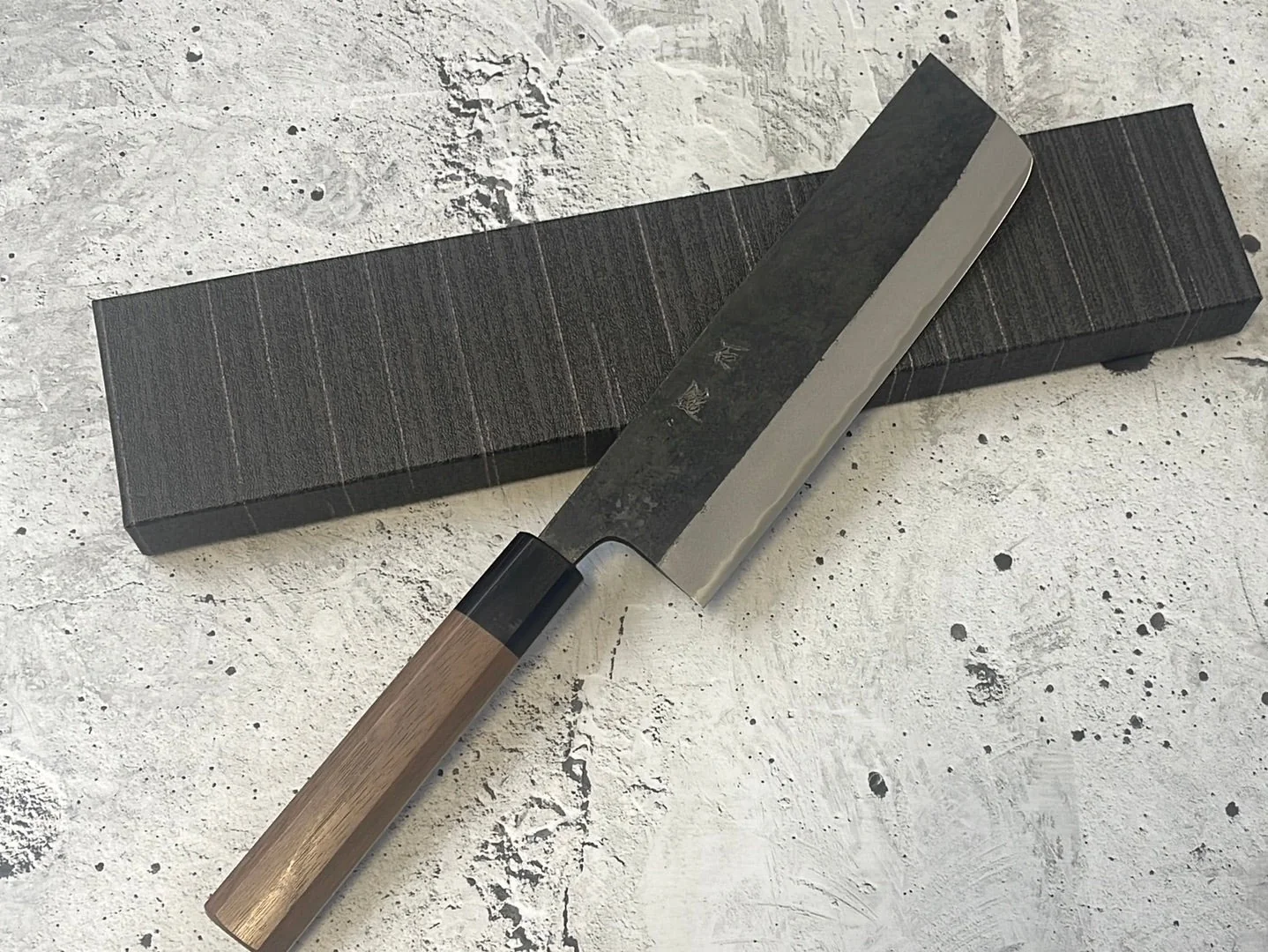
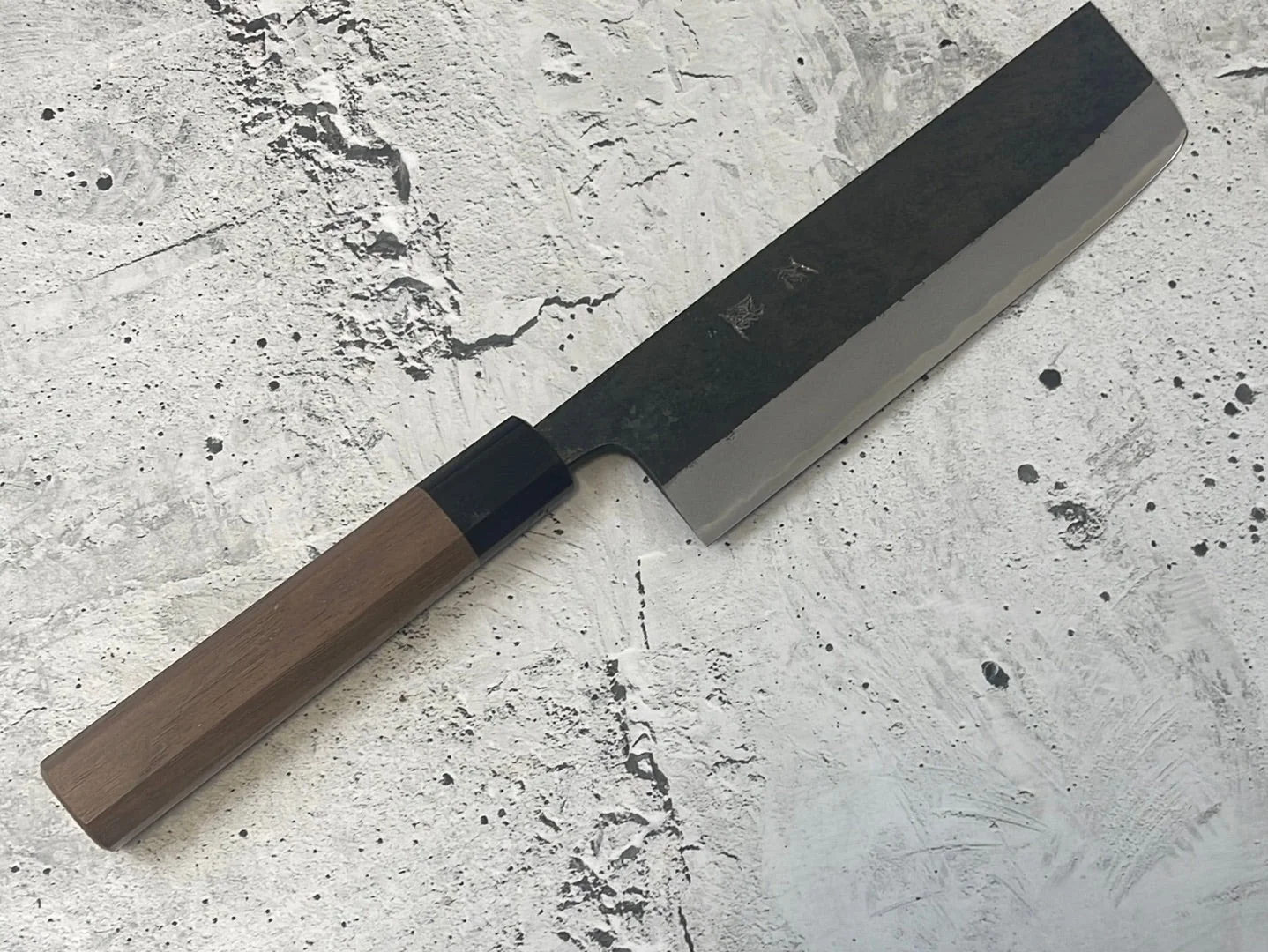
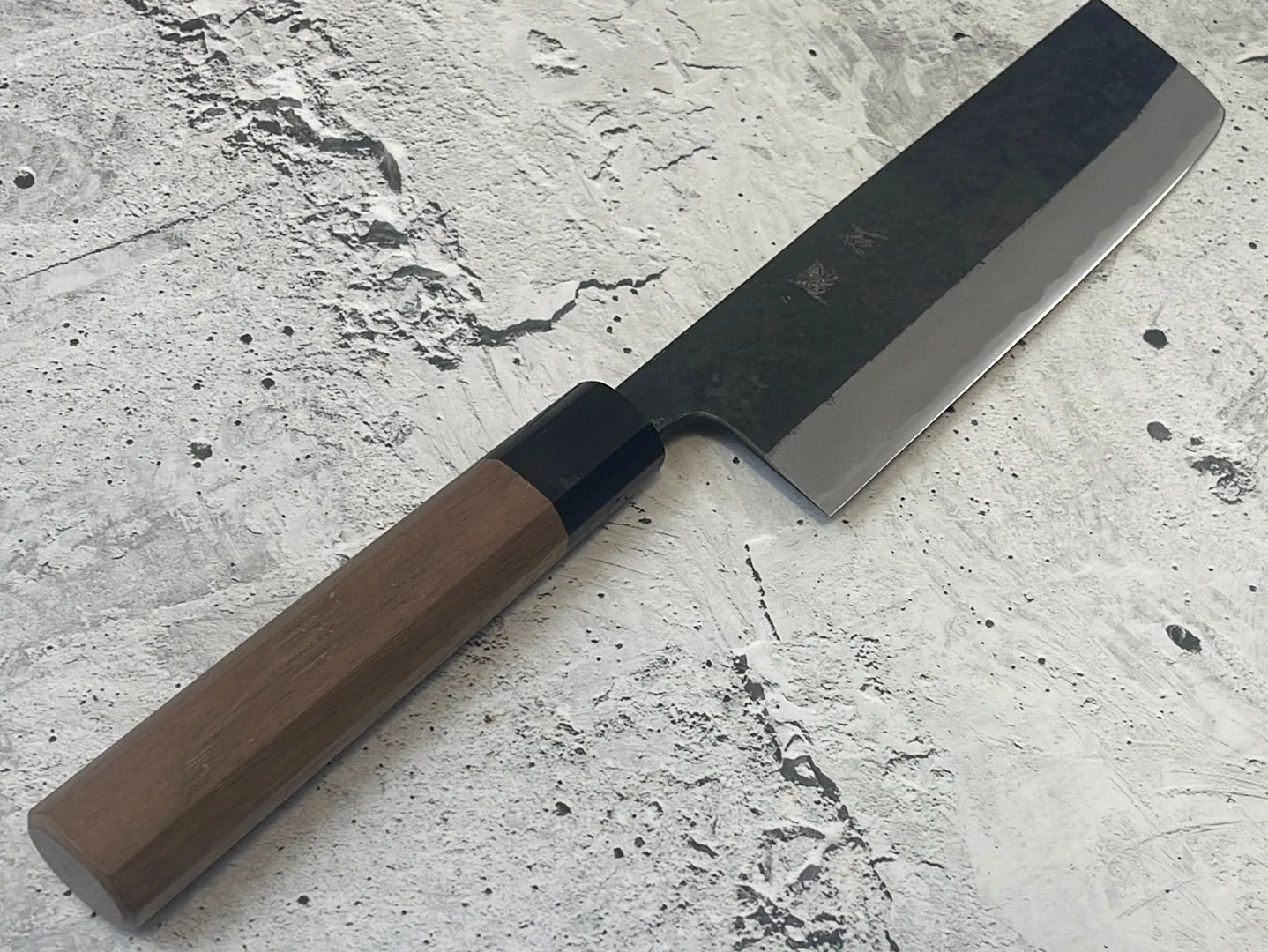
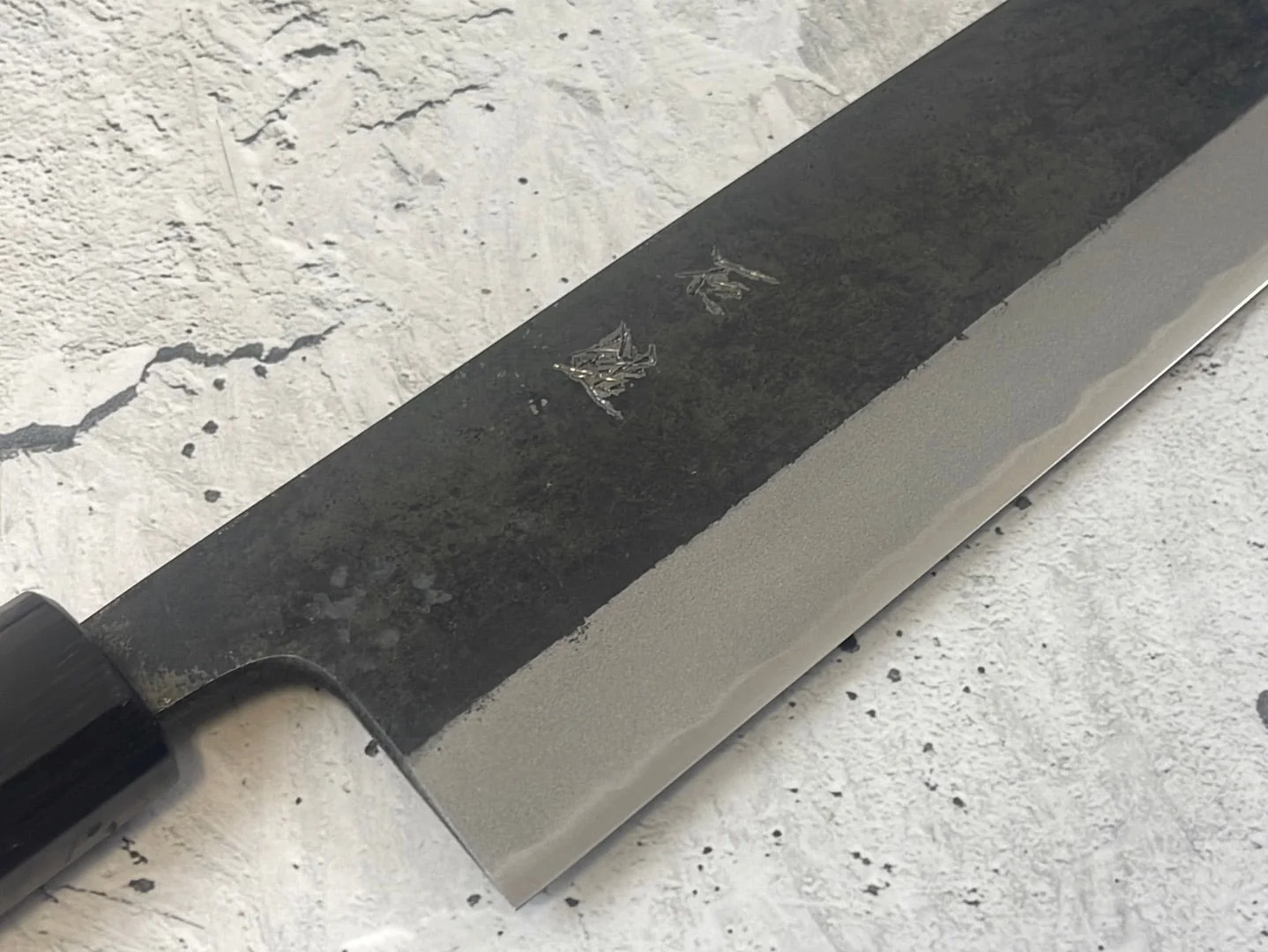
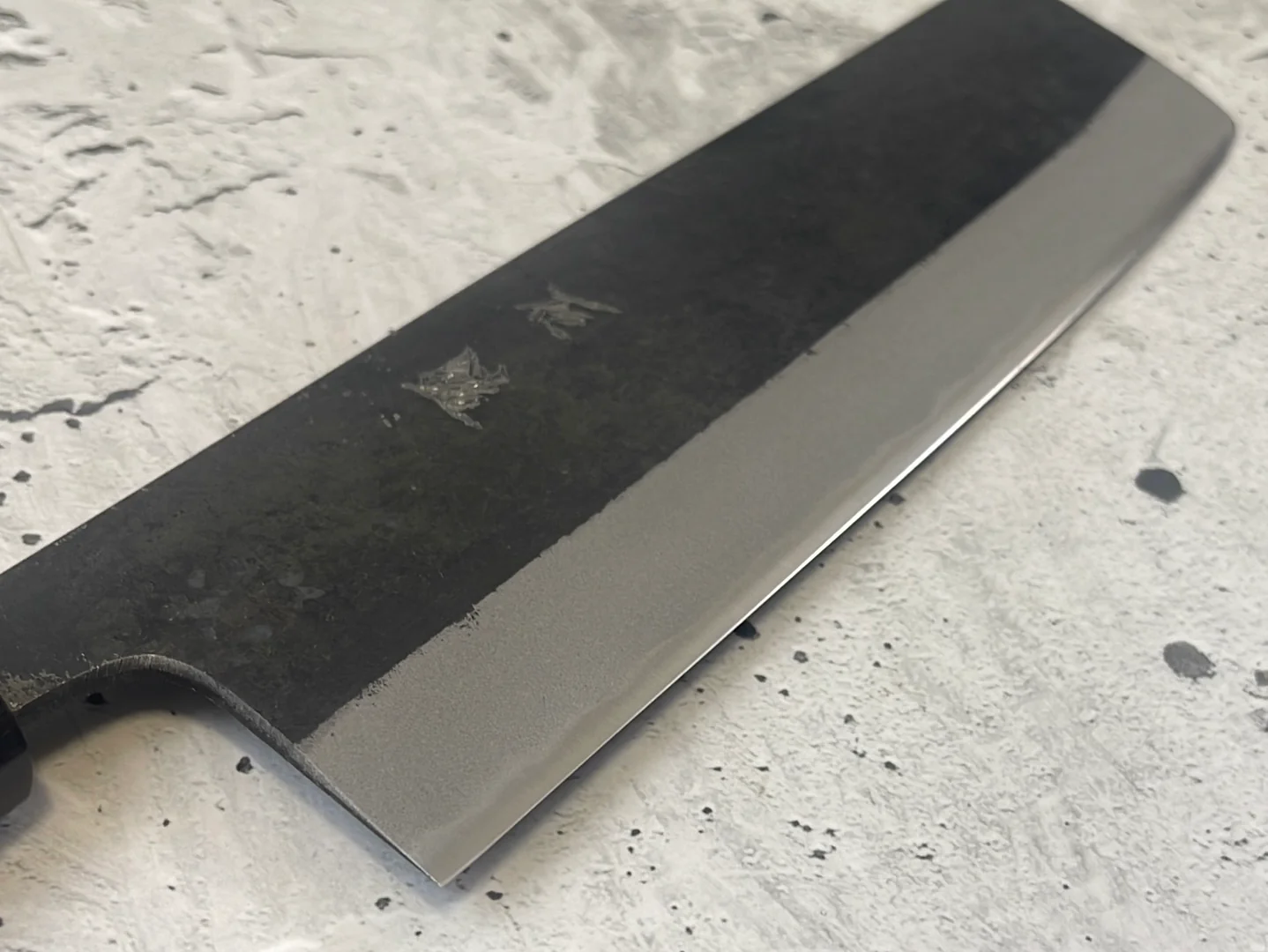
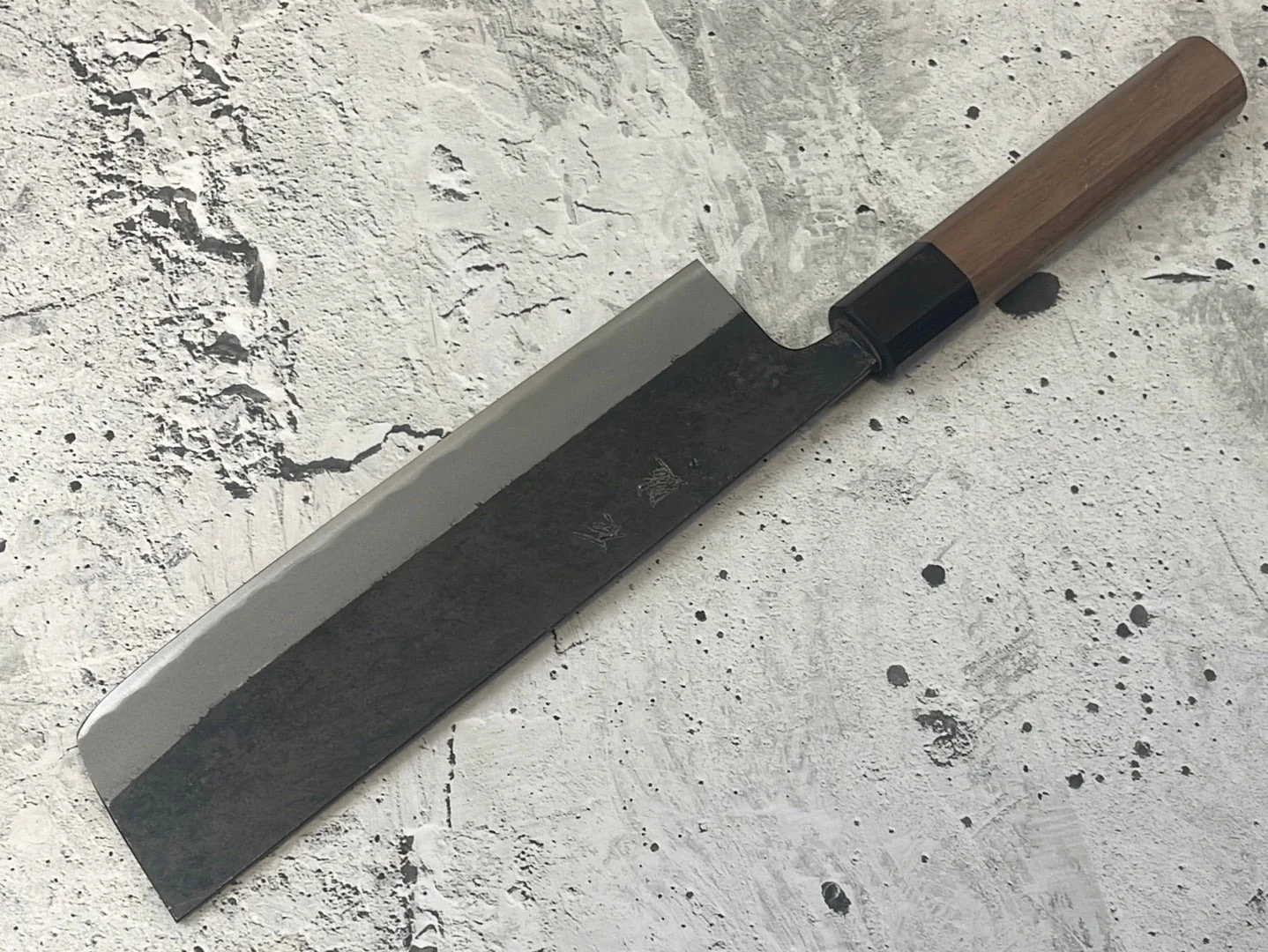
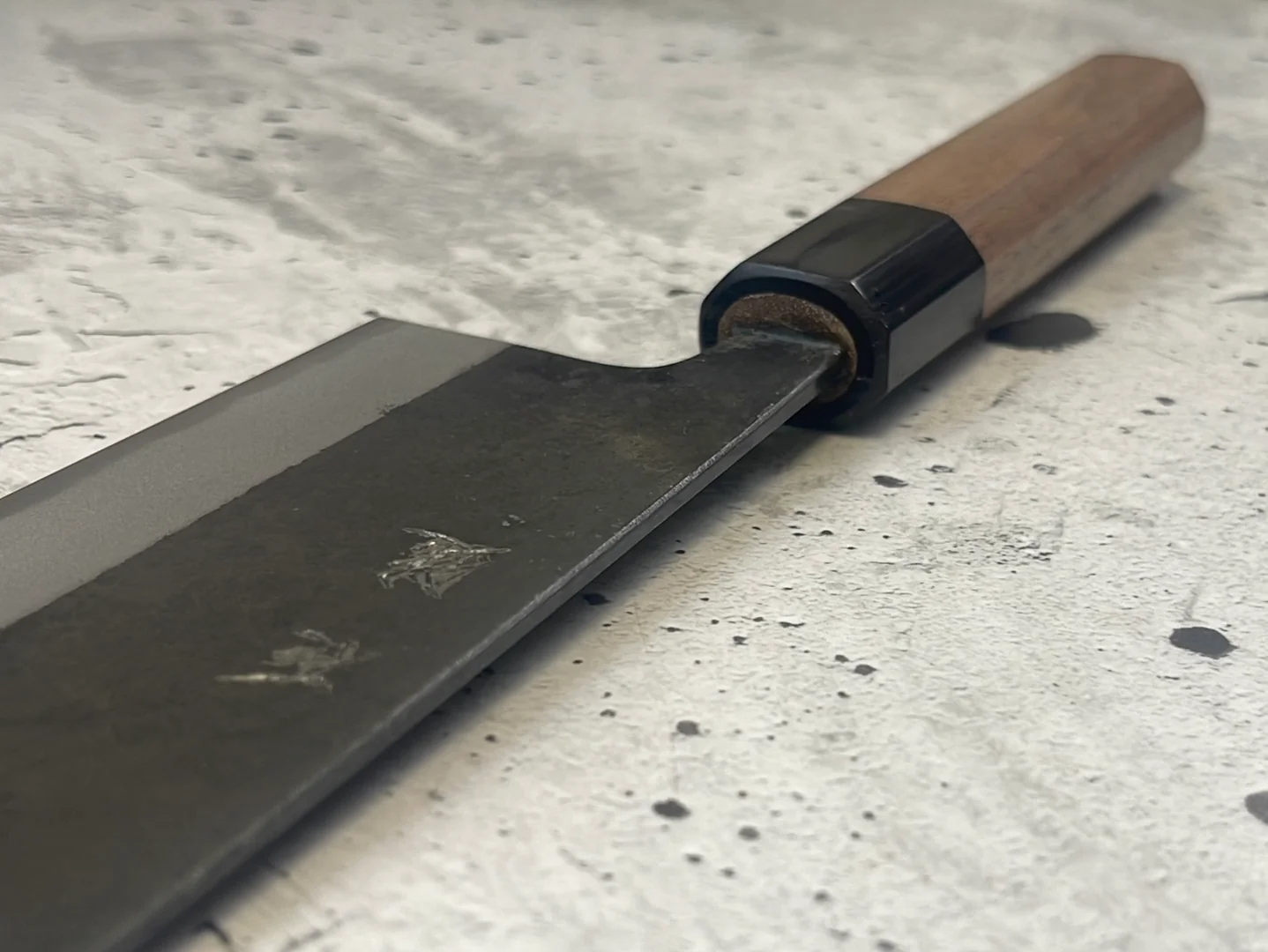
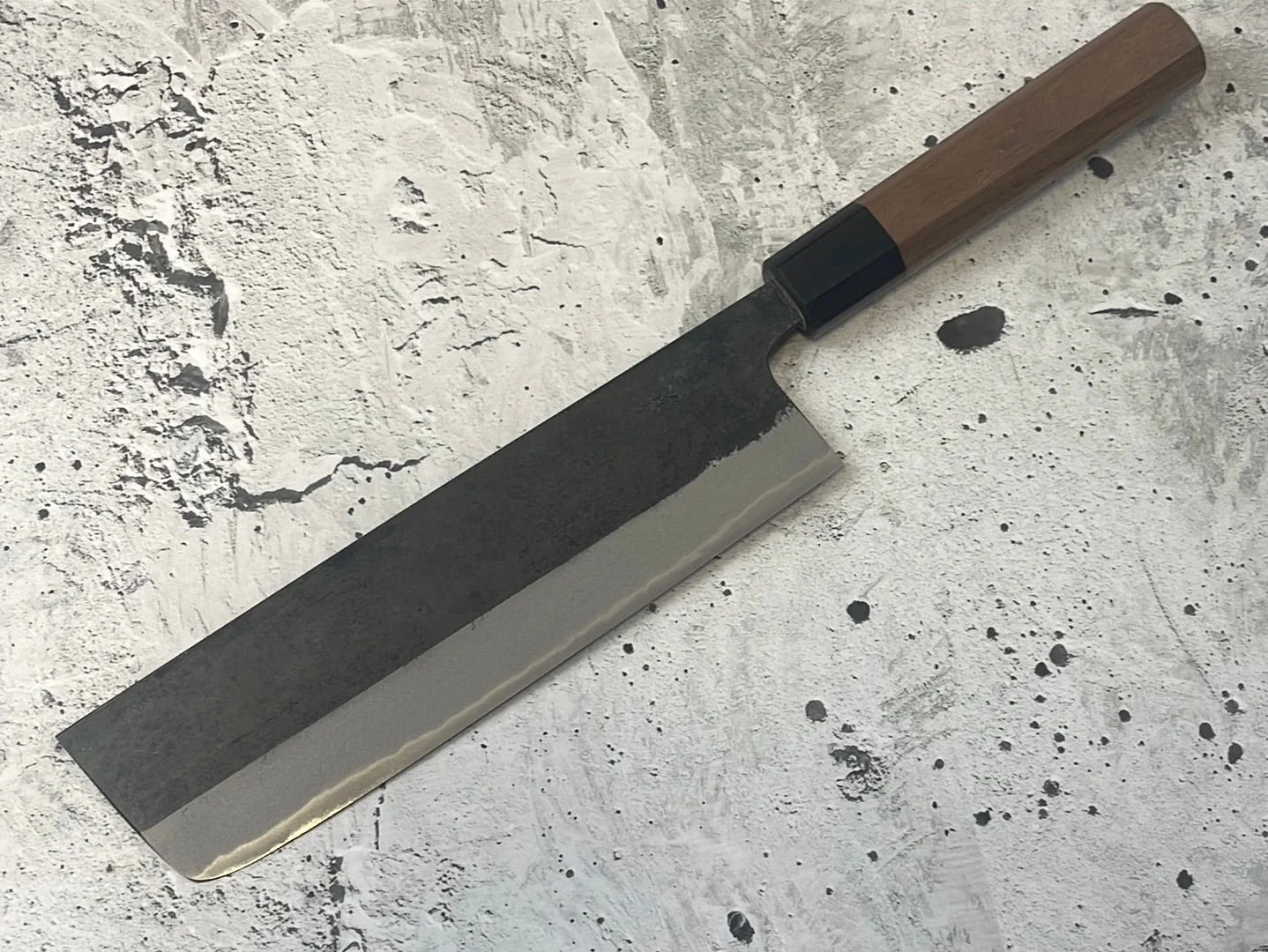
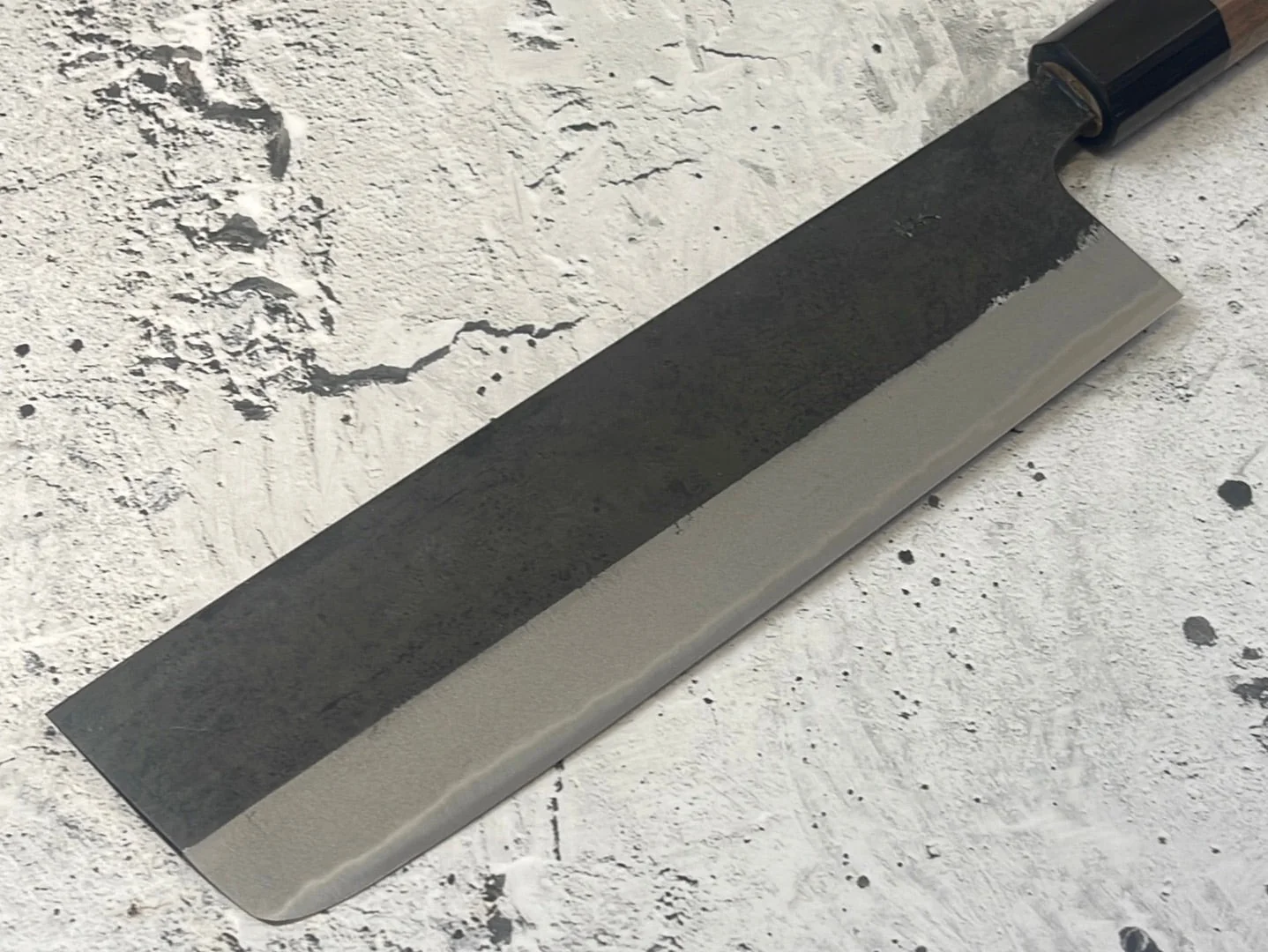
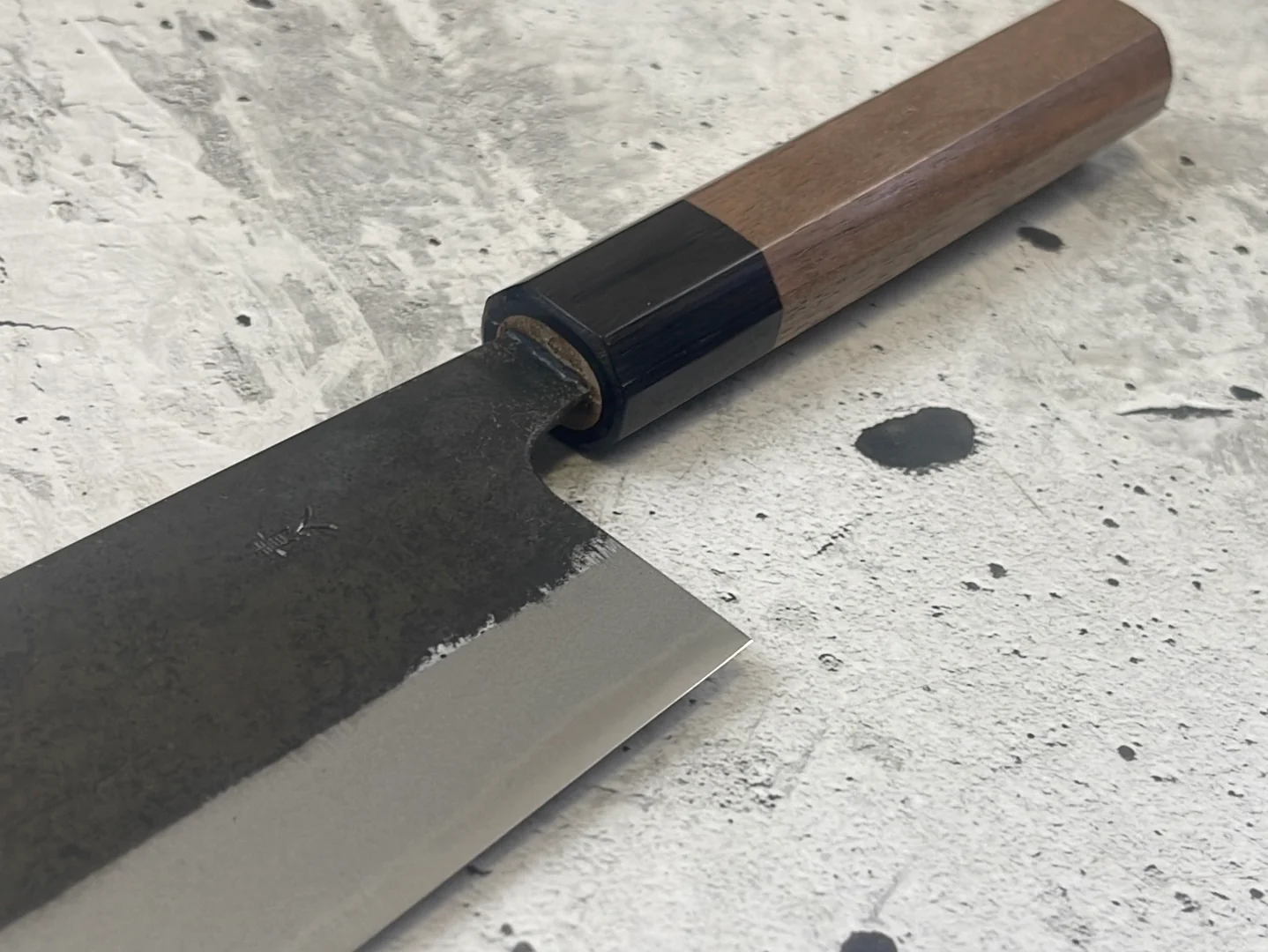
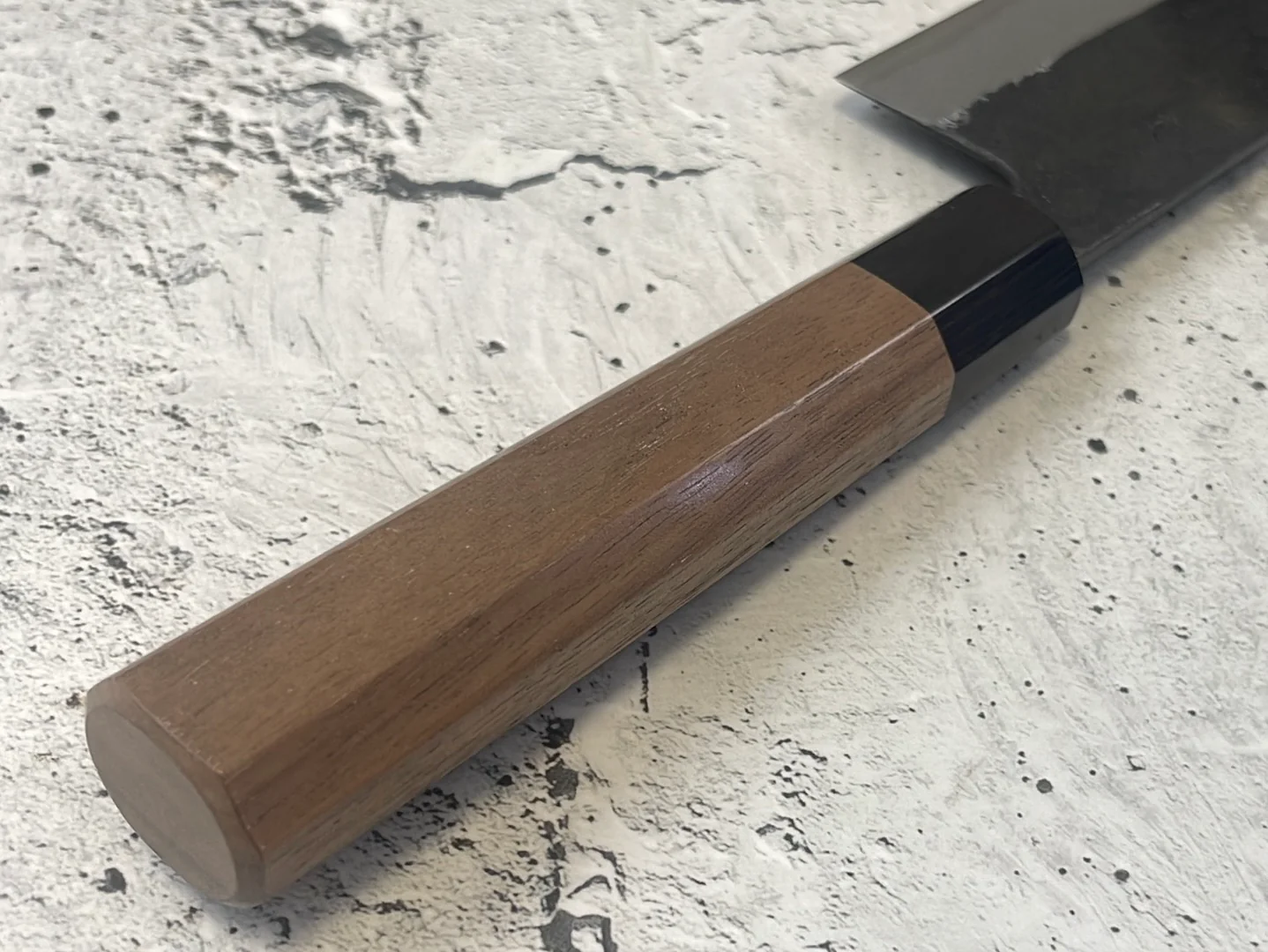
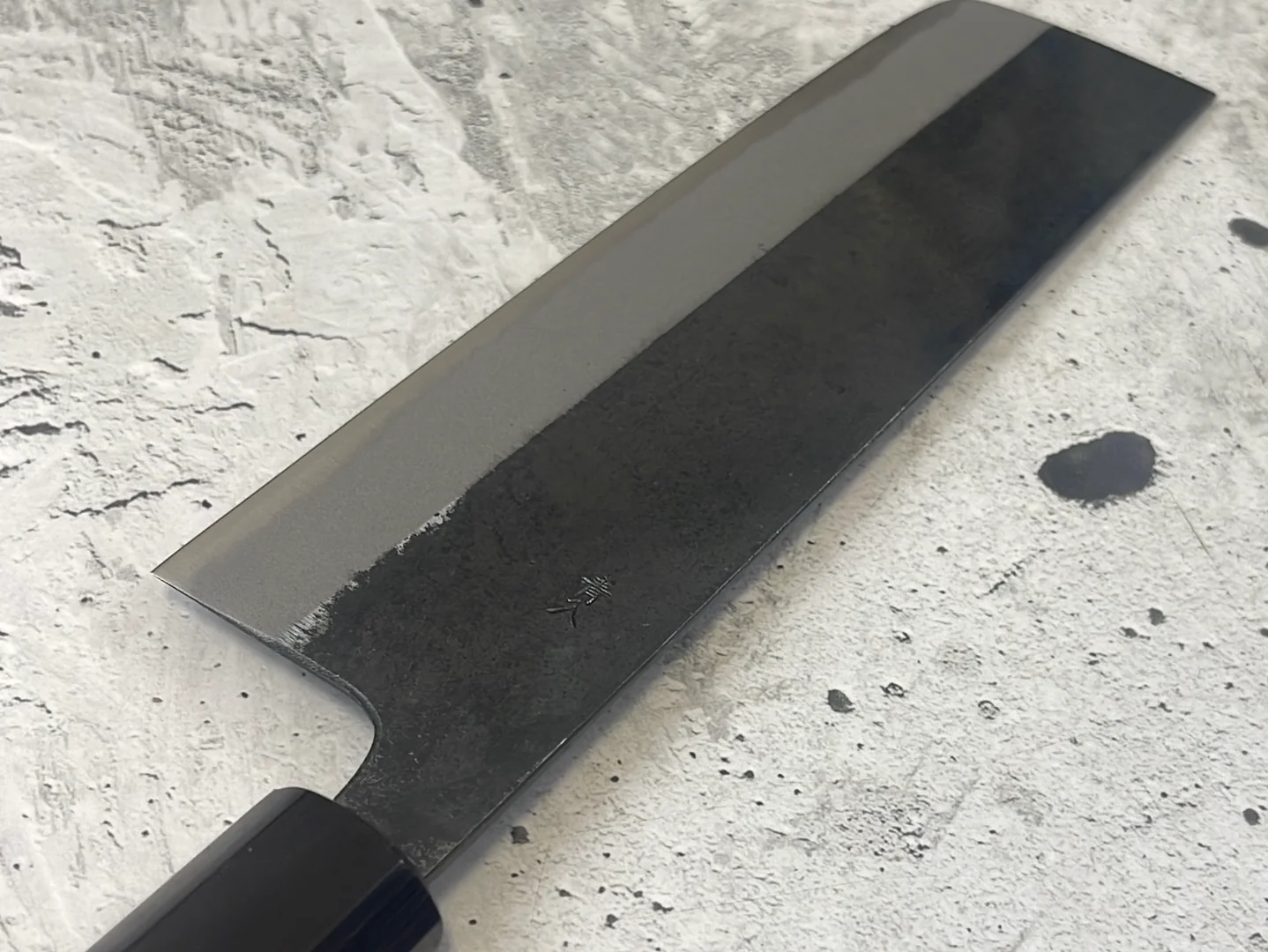
Yoshimune Nakiri Kurouchi 180 mm (7.1 in) Aogami (Blue) #2 Double-Bevel
Product Description:
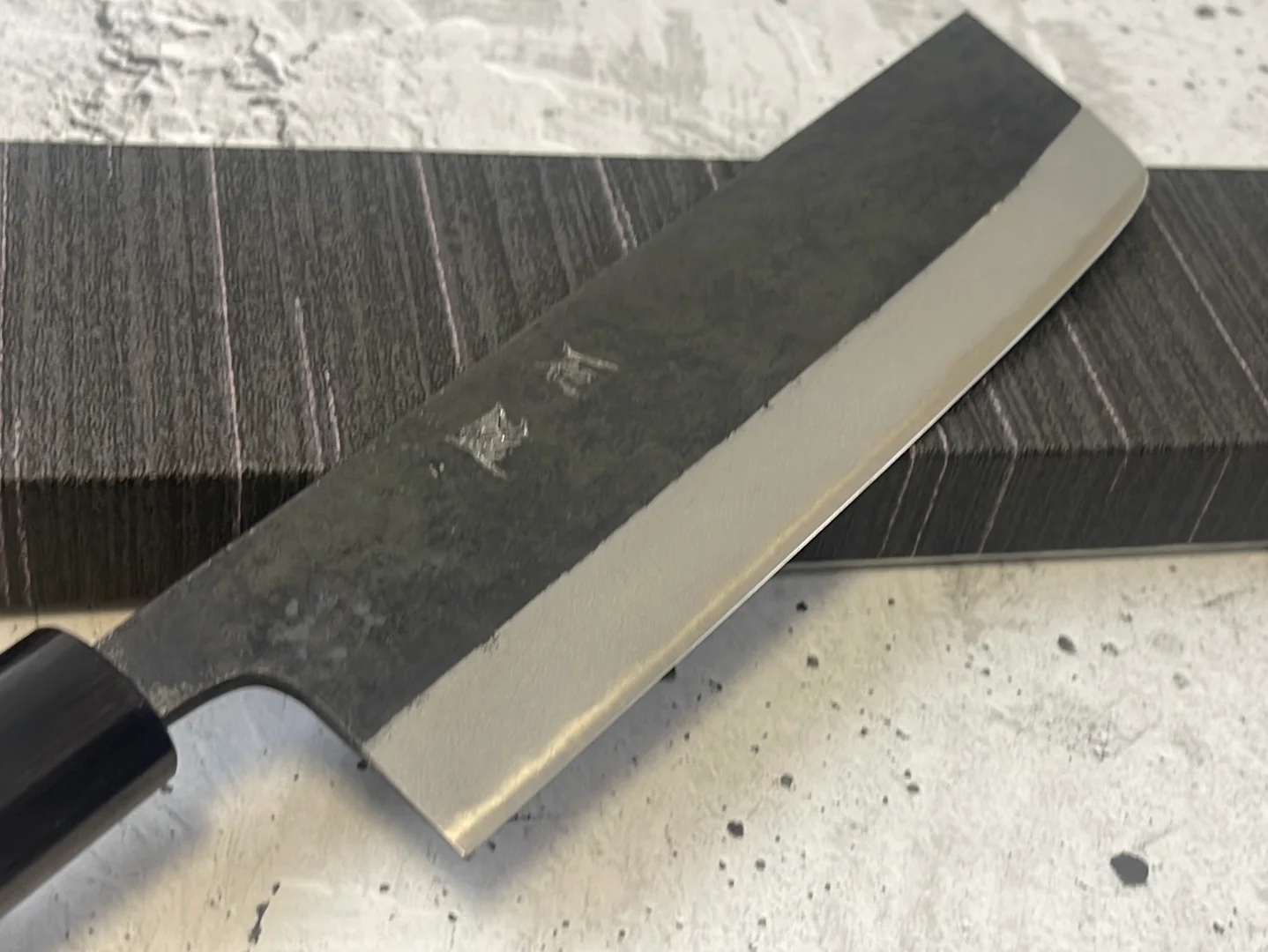
- Type: Nakiri
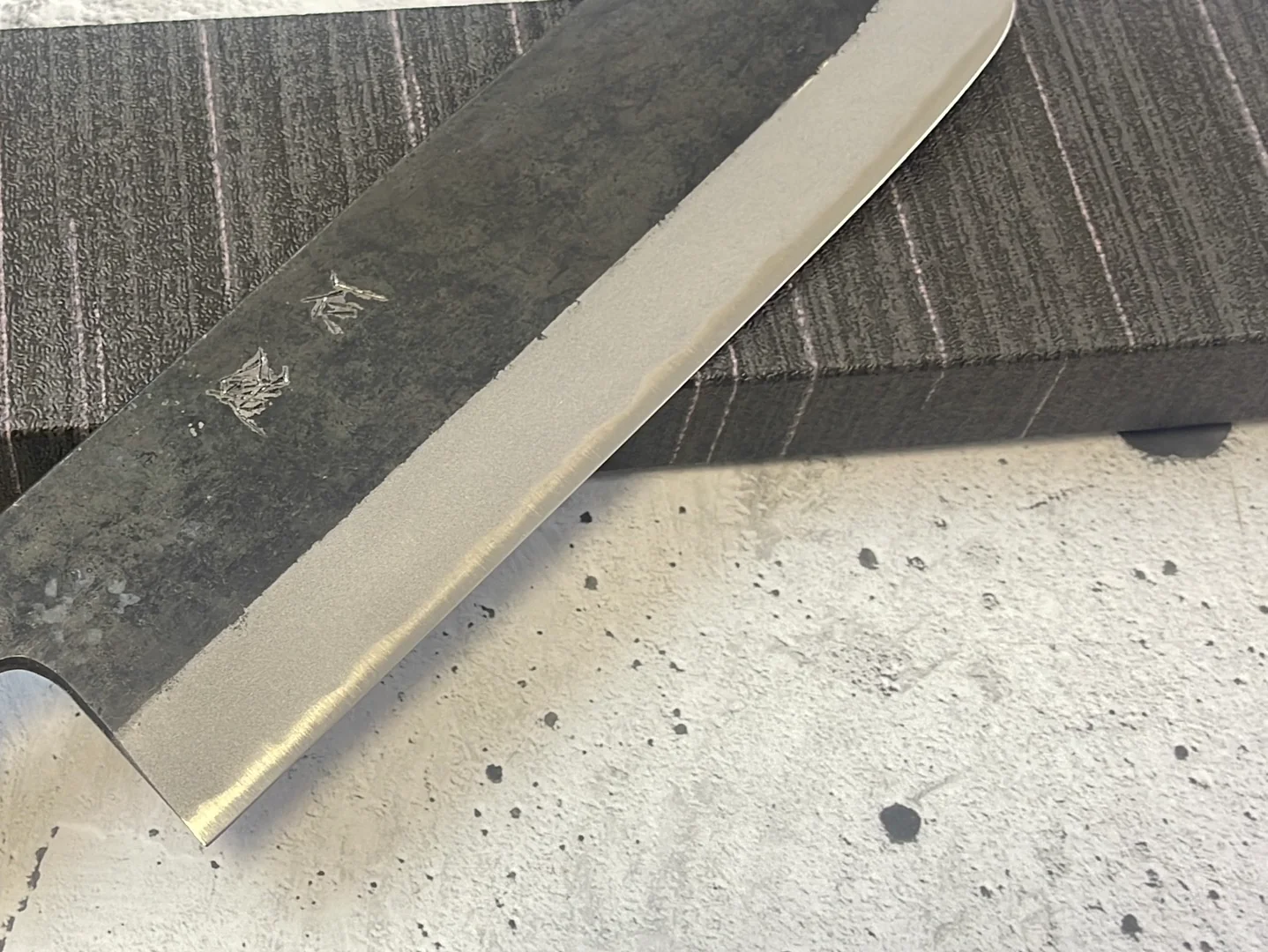
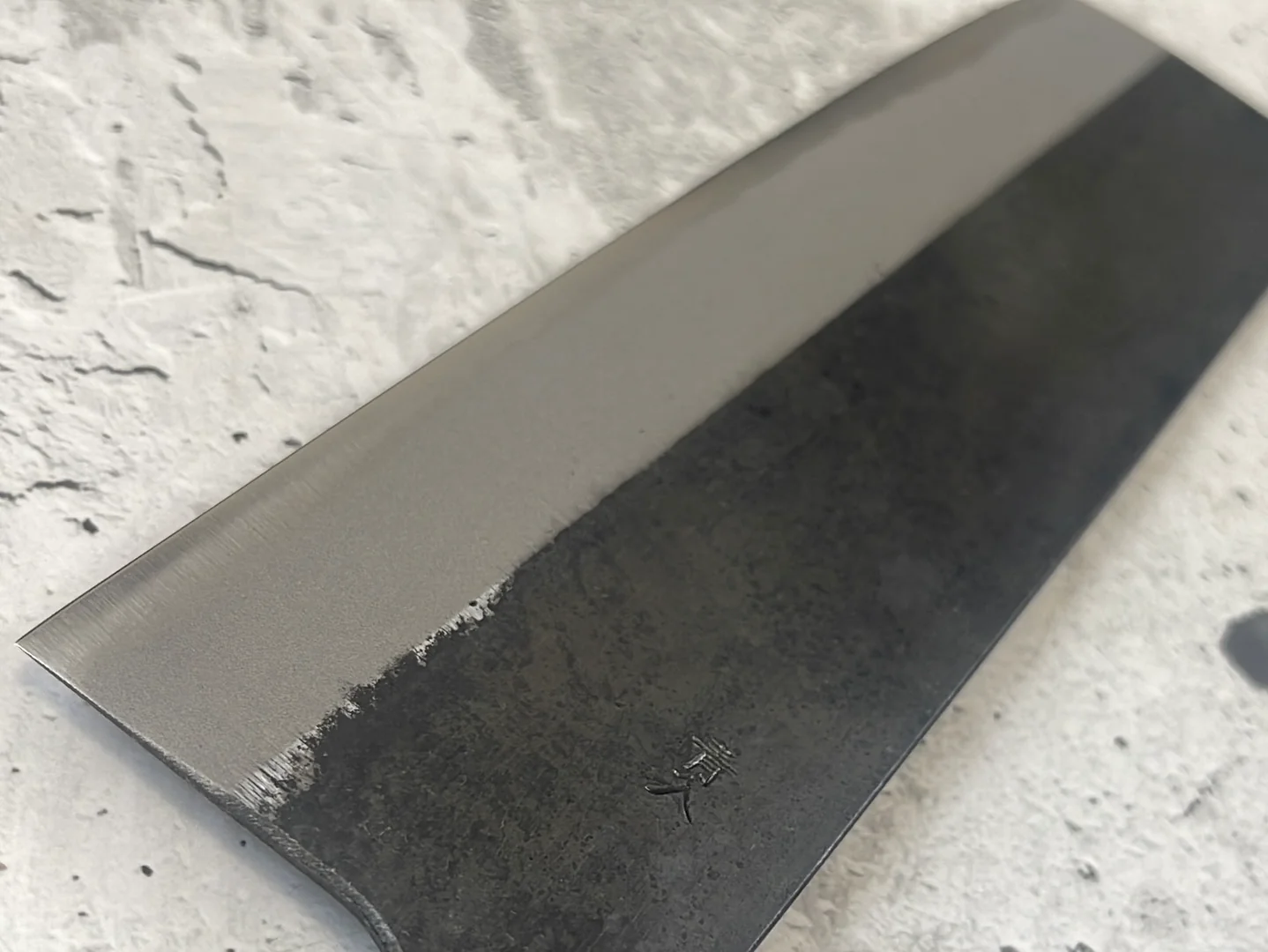
- Finish: Kurouchi
- Blade Length: 180 mm (7.1 in)
- Construction: Hon-Warikomi
- Core Edge Steel: Aogami (Blue) #2
- HRC (Rockwell Hardness): 61-63
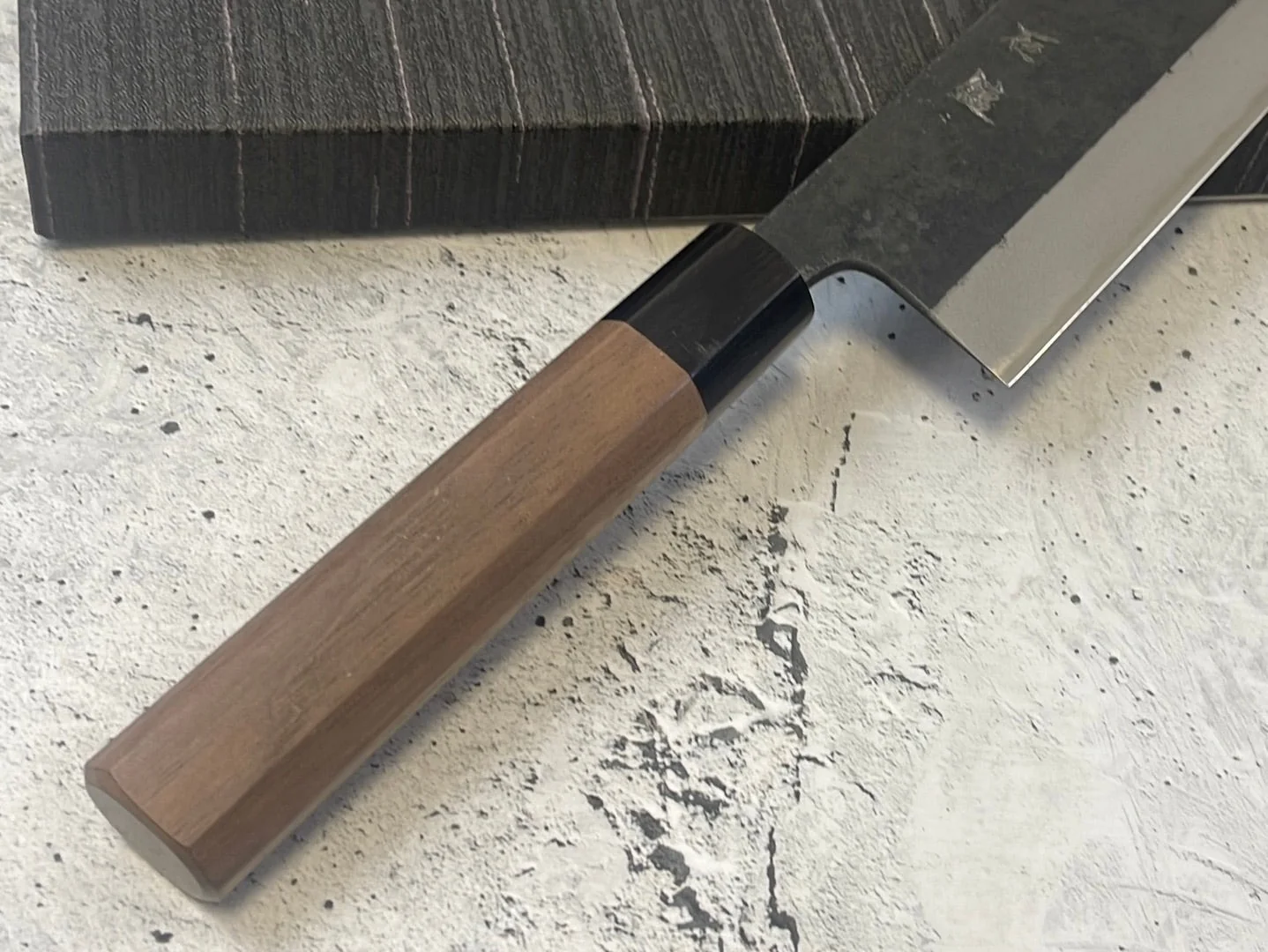
- Handle: Walnut Octognal with Black pakka ferrule
- Bevel: Double-Bevel
- Place of Origin: Tosa, Japan
The universal and representative all-purpose knife for home use has the strengths of both the traditional nakiri and the Western butcher's knife.
Santoku means "three uses" or "three virtues," derived from its flexibility in cutting meat, fish, and vegetables. Its double-bevel blade is more comprehensive than a Gyuto, making it a fine choice for right and left-handed people.
$33.45
Original: $111.51
-70%Yoshimune Nakiri Kurouchi 180 mm (7.1 in) Aogami (Blue) #2 Double-Bevel—
$111.51
$33.45More Images

Yoshimune Nakiri Kurouchi 180 mm (7.1 in) Aogami (Blue) #2 Double-Bevel
Product Description:
- Type: Nakiri
- Finish: Kurouchi
- Blade Length: 180 mm (7.1 in)
- Construction: Hon-Warikomi
- Core Edge Steel: Aogami (Blue) #2
- HRC (Rockwell Hardness): 61-63
- Handle: Walnut Octognal with Black pakka ferrule
- Bevel: Double-Bevel
- Place of Origin: Tosa, Japan
The universal and representative all-purpose knife for home use has the strengths of both the traditional nakiri and the Western butcher's knife.
Santoku means "three uses" or "three virtues," derived from its flexibility in cutting meat, fish, and vegetables. Its double-bevel blade is more comprehensive than a Gyuto, making it a fine choice for right and left-handed people.
Product Information
Product Information
Shipping & Returns
Shipping & Returns
Description
Product Description:
- Type: Nakiri
- Finish: Kurouchi
- Blade Length: 180 mm (7.1 in)
- Construction: Hon-Warikomi
- Core Edge Steel: Aogami (Blue) #2
- HRC (Rockwell Hardness): 61-63
- Handle: Walnut Octognal with Black pakka ferrule
- Bevel: Double-Bevel
- Place of Origin: Tosa, Japan
The universal and representative all-purpose knife for home use has the strengths of both the traditional nakiri and the Western butcher's knife.
Santoku means "three uses" or "three virtues," derived from its flexibility in cutting meat, fish, and vegetables. Its double-bevel blade is more comprehensive than a Gyuto, making it a fine choice for right and left-handed people.


